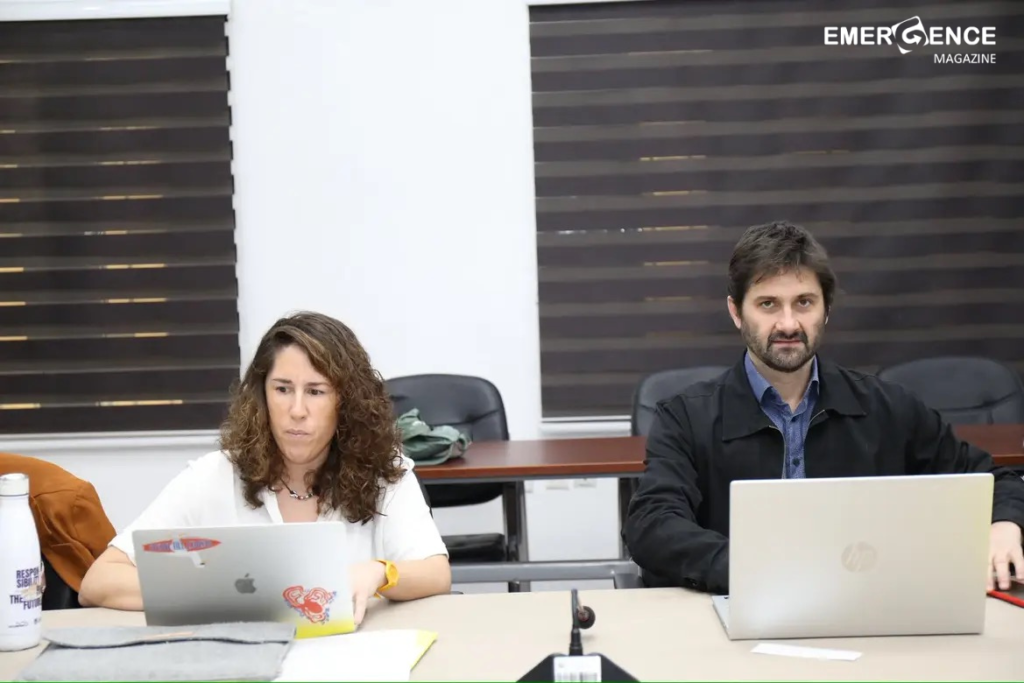
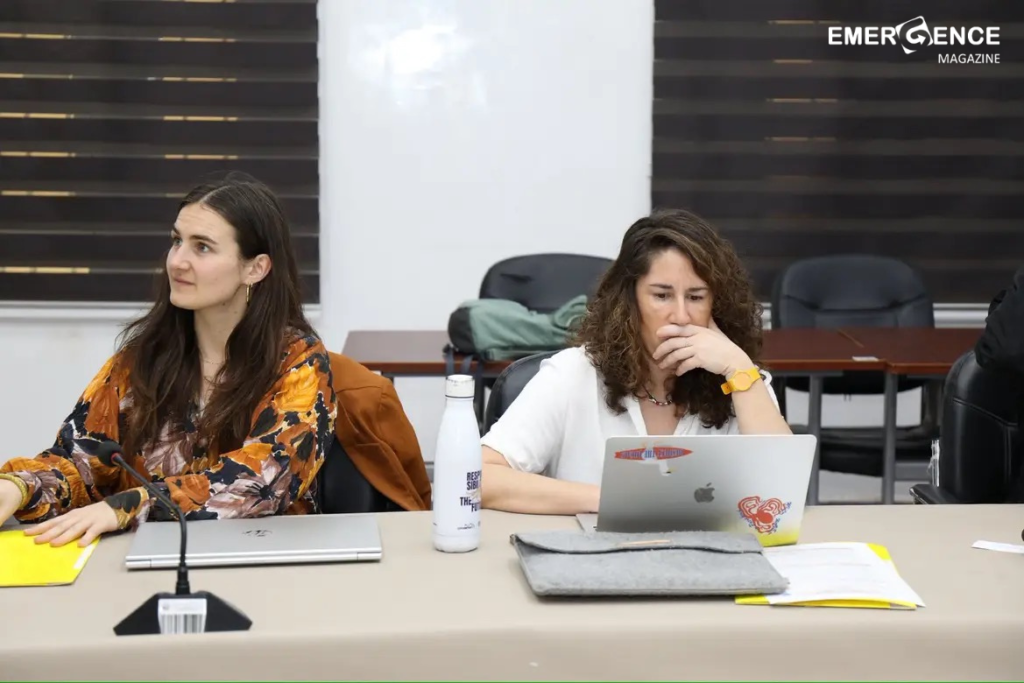
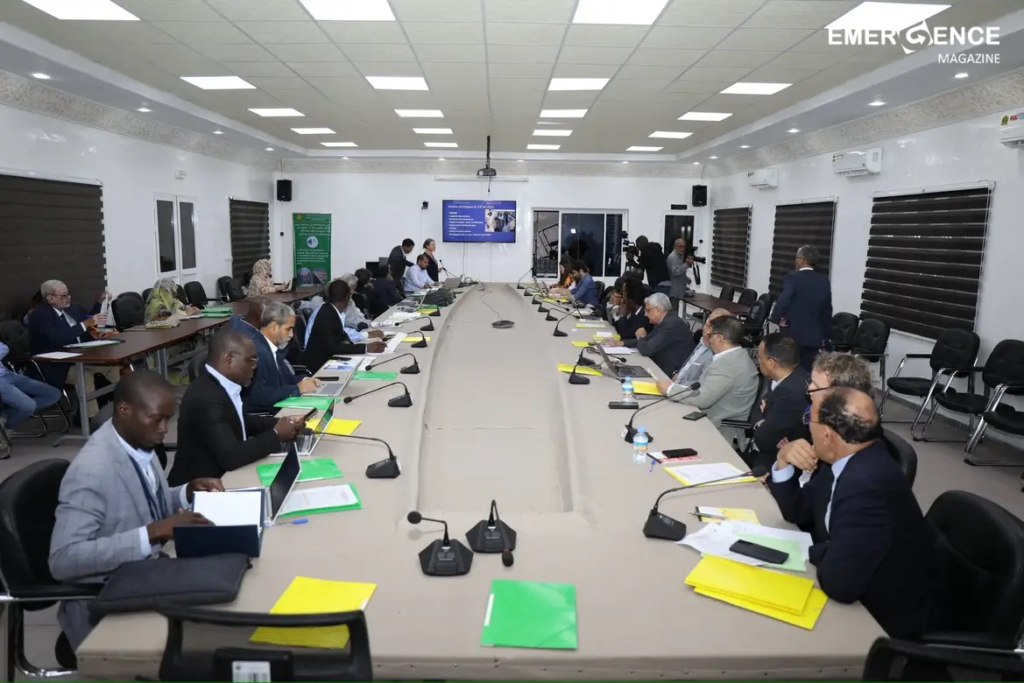
OLVEA’s CSR team attended the 13th Annual Meeting of the Fishery Improvement Project (FIP) for Small Pelagic Species in Nouakchott, Mauritania, hosted by the Ministry of Fisheries, Maritime and Port Infrastructure.
This meeting brought together researchers, administrators, professionals, and partners with a shared goal: ensuring sustainable and resilient management of small pelagic fisheries. In his opening address, the Secretary General emphasized that these fisheries play a central role in the national maritime economy, contributing to food security and job creation, and that their sustainable management represents a strategic priority for the country. He also highlighted that the preservation of these resources is a shared responsibility between public and private actors, and that public-private partnerships are essential to strengthen the performance and sustainability of fisheries while facilitating access to international markets.
For his part, the Director General of the Mauritanian Institute for Oceanographic Research and Fisheries (IMROP), Mr. Mohamed El Hafez Ould Ejjeyoun, underlined the fundamental ecological role of small pelagic species in the marine food chain, warning that the depletion of these resources could destabilize ecosystems. He stressed the growing challenges, such as overfishing and climate change, and the need to adopt rigorous scientific approaches and tailored management plans to ensure the sustainability of stocks.
Key discussions included:
- Fisheries monitoring: collection of landing data and on-board observations to guide management decisions.
- Stock assessments: scientific assessment of combined impacts of fishing and climate on these species.
- Traceability: from fishing vessels to freezing plants or oil and fishmeal production facilities.
- Social responsibility: working conditions and social challenges within the artisanal fisheries.
Speakers from Morocco and Senegal also shared their experience, highlighting the transboundary dimension of this project. The meeting concluded with a call to leverage the debates and recommendations to strengthen the competitiveness of Mauritanian seafood products in global markets.
This meeting confirms the importance of strong partnerships between institutional, public, and private stakeholders to advance practices toward a sustainable and responsible model.
Learn more: Emergence Mauritanie Article